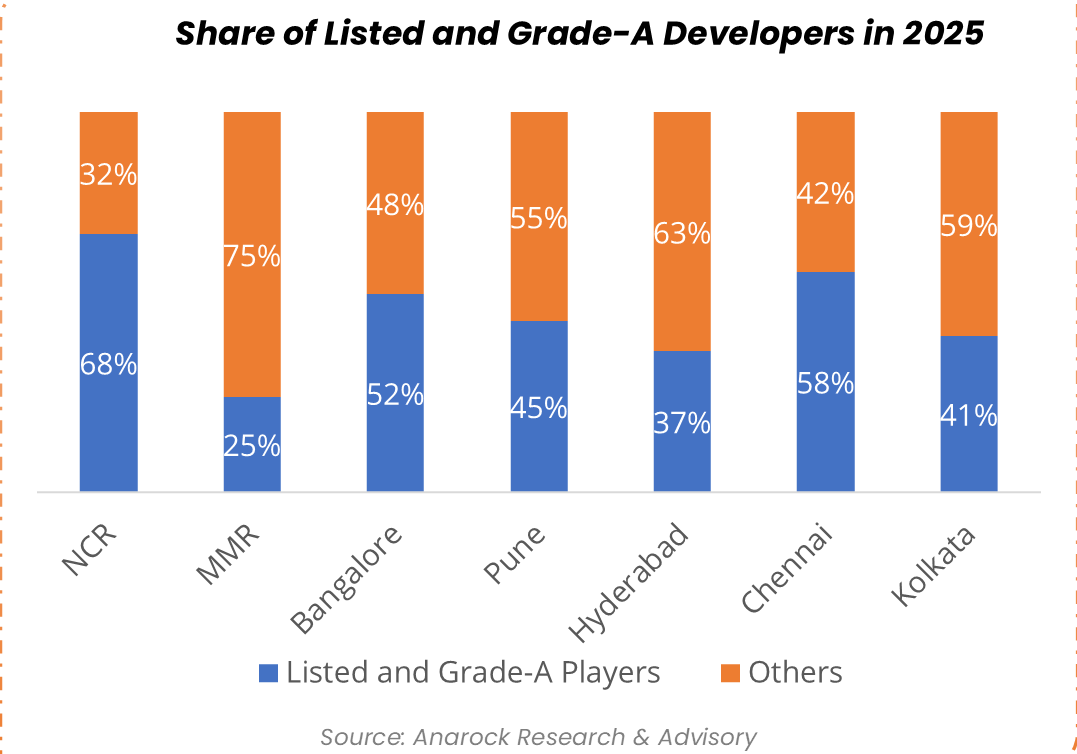
Raymond Realty Ltd. (RRL) is a pure play residential real estate developer with its entire portfolio concentrated within the Mumbai Metropolitan Region (MMR), India’s largest residential real estate market. The MMR has consistently accounted for ~30% of new launches among the top 7 cities since CY22, providing Raymond Realty with exposure to one of India’s deepest and most liquid housing markets.
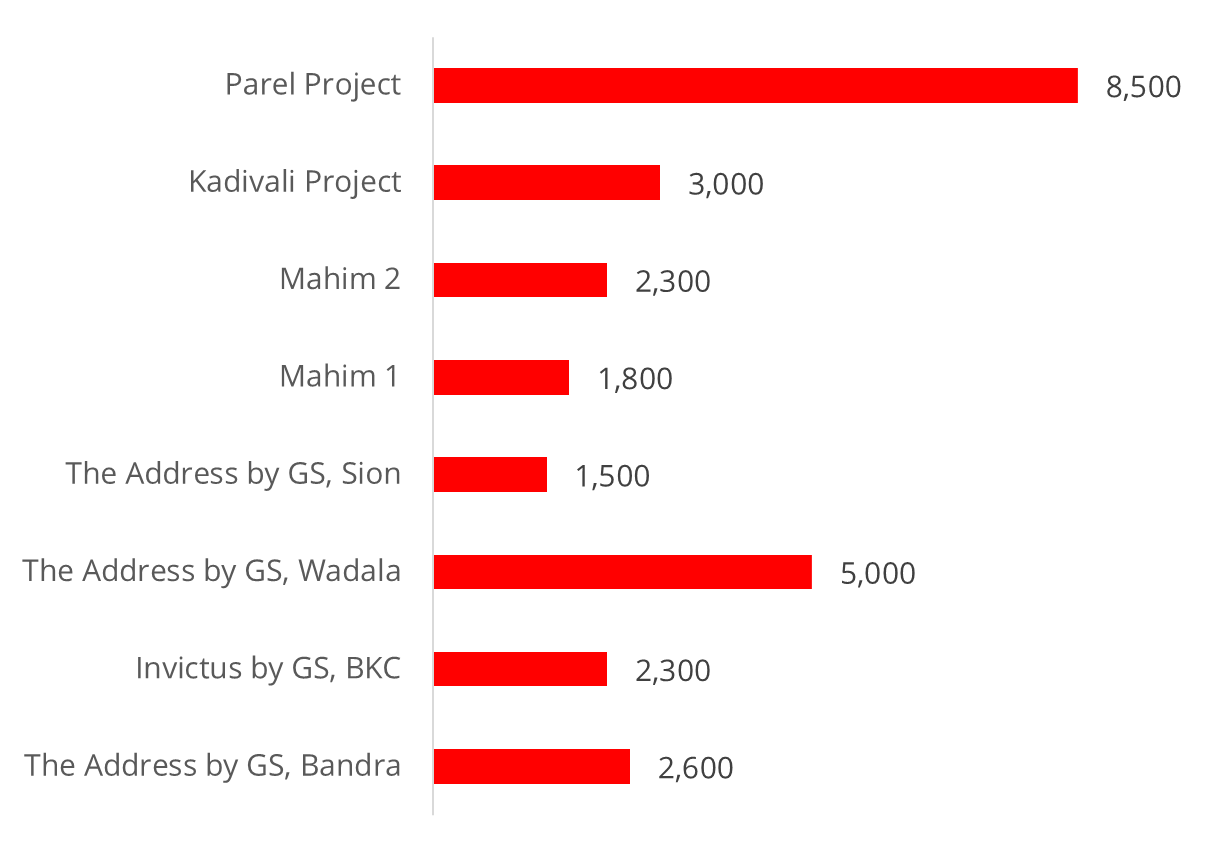
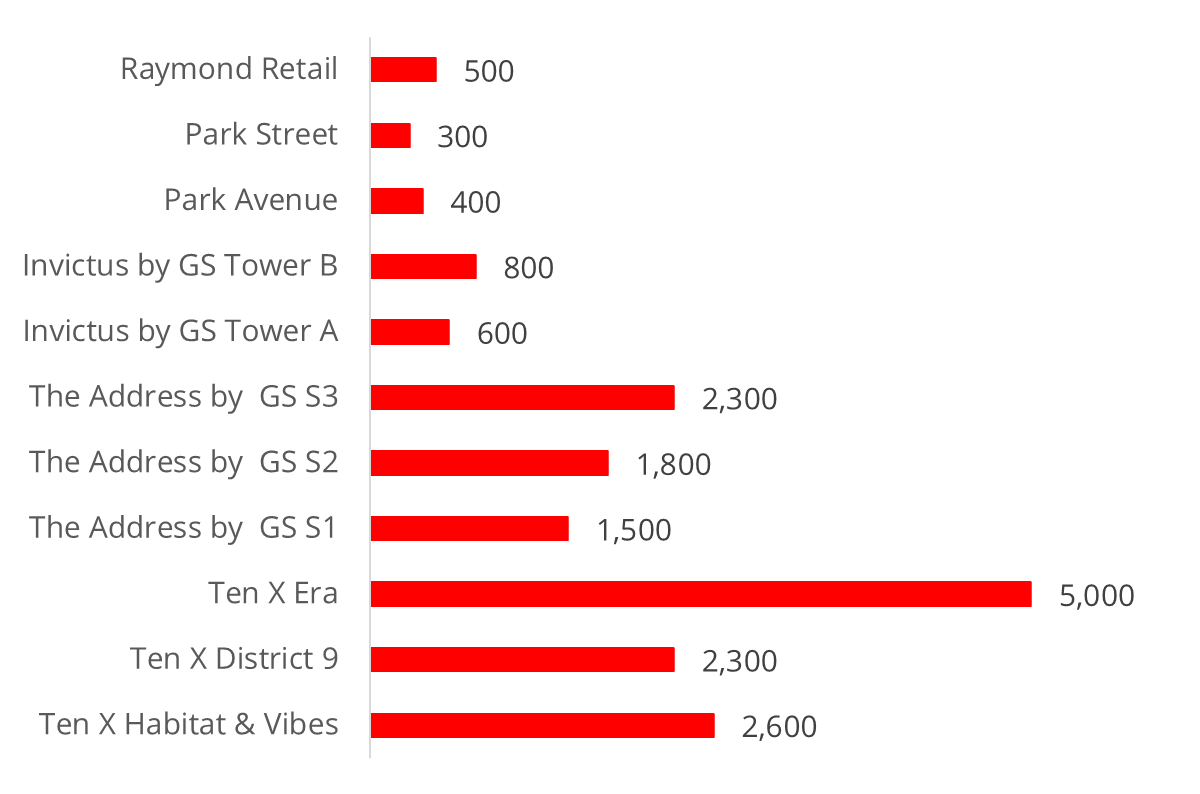
One of RRL’s most valuable assets is the 100 acre legacy land bank in Thane. This land bank carries an estimated Gross Development Value (GDV) of approximately Rs 25,000 crore, with 60 acres, having an estimated GDV of ~Rs 16,500 crore already launched (total 6.6 million sqft RERA carpet area of which 1.7 million already delivered) and a further GDV of Rs 8,500 crore from the balance ~40 acres earmarked for future development, providing RRL with a readymade base to expand upon.
With the large land bank already providing a strong foundation, Raymond Realty has pursed a capital light Joint Development Agreement (JDA) driven business model. JDAs typically are capital light as the developer partners with housing societies and landowners to undertake redevelopment projects. In the MMR, where land acquisition costs are among the highest in the country, outright land purchases can be highly capital intensive, the JDA platform, offers Raymond Realty a capital light entry into premium micro-markets.
As CREDAI-MCHI report in May’25 around 25,000 housing societies in MMR are over 30 years old which can be potential re-development opportunity. Back of the envelope calculation ( with higher FSI’s) suggest an opportunity size of Rs. 4 – 5 Lakh crores.
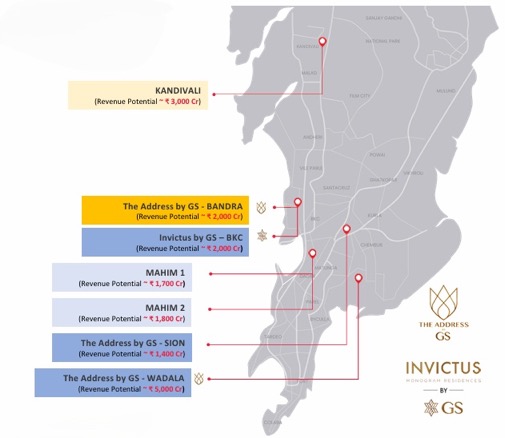
Looking at projects on hand, RRL has signed a total of 8 JDAs, including its latest in Parel which represents its largest development outside of Thane with a GDV of Rs 8,500 crores, taking its total GDV from JDAs to Rs 27,000 crores. Combined with the land bank in Thane, the company boasts of a considerable GDV of Rs 52,000 crores with a pipeline revenue potential of Rs 39,700 crores (inventory amounting to Rs 15,700 crores and projects yet to be launched amounting to Rs 24,000 crores) providing the company with visible multi-year development pipeline and earnings visibility while reducing dependence on expensive outright acquisitions.
RRL has already achieved its objective of deriving more than half of annual pre sales from JDA projects (56% for FY26) nearly two years ahead of schedule, reinforcing the management’s ability to diversify beyond the legacy Thane ownership. The company has further guided for four new launches in FY27, comprising of two commercial projects in Thane (Raymond Retail with a GDV of Rs 500 crores already launched in Q1FY27) and two JDA projects in Mahim (GDV of Rs 3,500 crores), thereby providing near term project visibility.
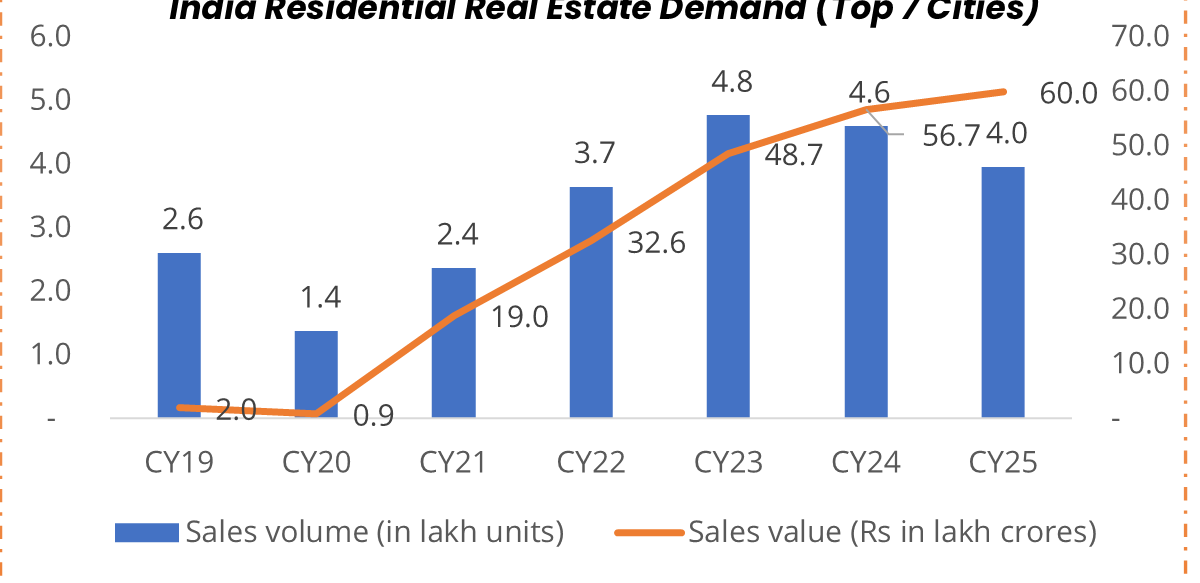
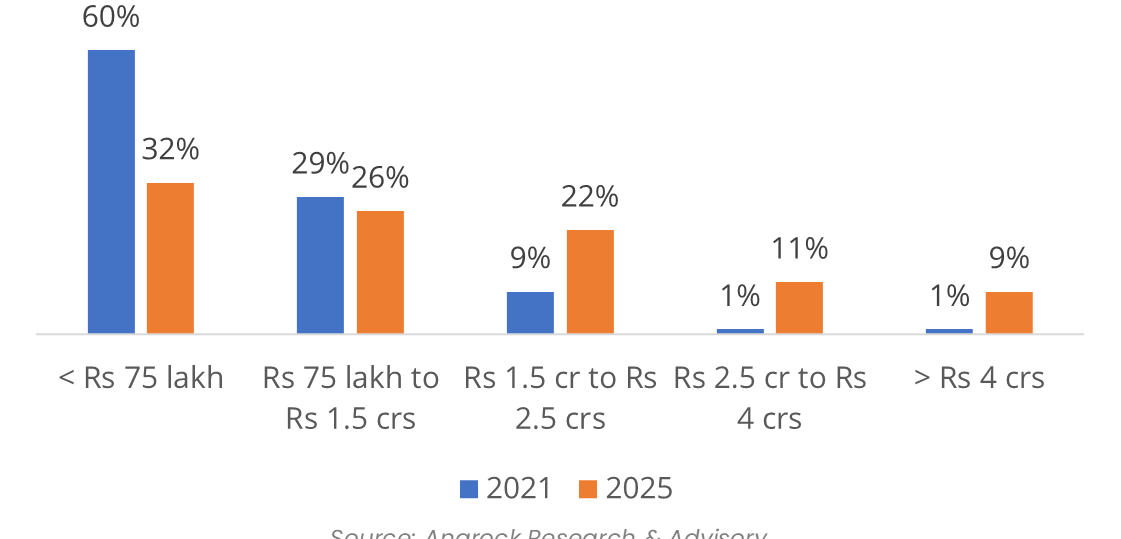
We believe, the best of operating matrix and higher per unit realization is yet to play out for RRL. Rising per capita income will effectively mitigate input cost inflation while margin accretion will come from demand upcycle which has been the scenario for real estate players over last 2 years.
Management guidance stands tall at EBITDA margin band of 17–19% in FY27, with in medium term objective is of achieving approximately 20% EBITDA margins. Further, management is aiming for ~20% growth in pre sales and revenue while delivering an ~20% ROCE (FY27) better than peers.
Another feather in Raymond Realty’s cap is its execution capability with its “build fast, sell fast” philosophy proving to be crucial differentiator at a time when repeated project delays have plagued the real estate industry, denting home buyer confidence. Management has indicated that projects are typically launched within 15–18 months of signing a JDA. The company has also demonstrated disciplined construction management and ahead of schedule execution. At Ten X Habitat, its maiden residential project launched in 2019, the first three towers were delivered nearly 24 months ahead of schedule.
This accelerated project cycle enables quicker monetization and cash flow generation, reducing the need for longer capital deployment. As a result, the company benefits from stronger operating cash flows, improved capital efficiency, and superior returns on invested capital.
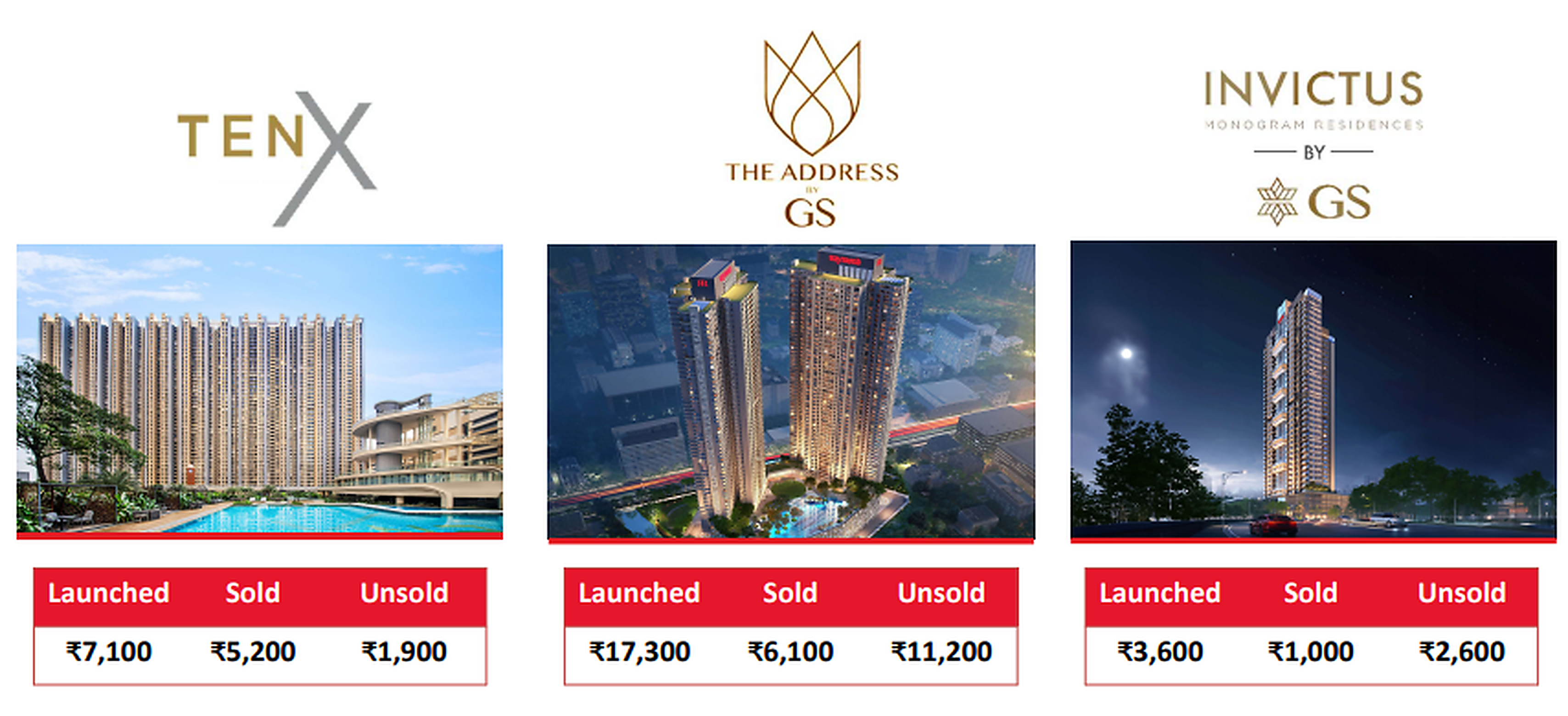
In a fragmented market, Raymond Realty has created a differentiated three tier brand portfolio comprising TenX (aspirational), The Address by GS (premium) and Invictus by GS (luxury), each catering to a specific customer segment. The clear positioning enables immediate customer recognition, strengthens brand recall and allows the company to address a wider spectrum of demand without diluting individual brand identities. As RRL, expands across multiple micro-markets in MMR and eventually into Pune, the company’s well defined brand portfolio should help build home buyer affinity.
While FY26 and Q1FY27 profitability reflected the impact of multiple new project launches, management believes this represents a transitional phase rather than a structural issue. Newly launched projects typically report lower EBITDA margins during the initial stages owing to launch related expenses, lower initial price realizations, however, as projects mature, pricing improves, launch costs get absorbed, thereby contributing to margin expansion.
With a population of nearly 2.5 crores and GDP of US$140 Bn, MMR stands as India’s most important urban economic engine (Source: ISEG Foundation/ Niti Aayog, Sep-2024). This places MMR’s per capita income at ~US$ 5,500, which is significantly higher than the national average of ~US$ 2,000.
Under the Maharashtra GCC Policy 2025, MMR has been designated as Zone I GCC hub, eligible for multiple incentives which includes capital subsidies, rental subsidies, payroll support, additional FSI and mixed-use development benefits. As the state targets the addition of 400 GCCs and 4 lakh high-skilled jobs, MMR is expected to remain a key beneficiary of GCC led growth.